
Bring Ideas to Life: Mood Boards that Shape Interiors

Chosen theme: Creating Mood Boards for Interior Design Projects. Step into a creative process where feelings become palettes, textures speak, and your project’s story unfolds with clarity. Join our community—share your boards, ask questions, and subscribe for weekly inspiration.

Why Mood Boards Matter in Interior Design

A mood board turns intuition into imagery, letting you see how light, color, and material will emotionally shape a room. It anchors early decisions, reduces doubt, and invites meaningful discussion before purchases or construction start.

Why Mood Boards Matter in Interior Design

Clients, contractors, and stylists gain a shared language when you present a cohesive board. Agreement on tone, palette, and texture upfront prevents missteps and costly revisions. Comment with your favorite alignment tip to help fellow creators.

Sourcing Inspiration with Purpose

Look beyond Pinterest: notice cafe tabletops, museum frames, morning shadows on concrete, and vintage book jackets. Photograph textures and colors, then tag them by feeling and function. Share a snapshot that sparked your last board in the comments.

Sourcing Inspiration with Purpose

Ask clients about travel, music, and rituals. A story about winter cabins might suggest cedar tones, plaid motifs, and hearth-warm metals. Turn memories into material choices and palette decisions. Invite readers to submit a story you could translate.

Building a Cohesive Palette

Start with a dominant hue, add a supporting tone, then a strategic accent. Test combinations against flooring and lighting conditions. Post your three-color recipe below—tell us the room type and the feeling you wanted to evoke.

Texture as Narrative

Rough woods whisper authenticity; matte ceramics feel calm; polished metals add uplift. Layer textures near images that inspired them so the storytelling is obvious. Encourage clients to touch samples during reviews for visceral, confident decisions.

Samples and Swatches

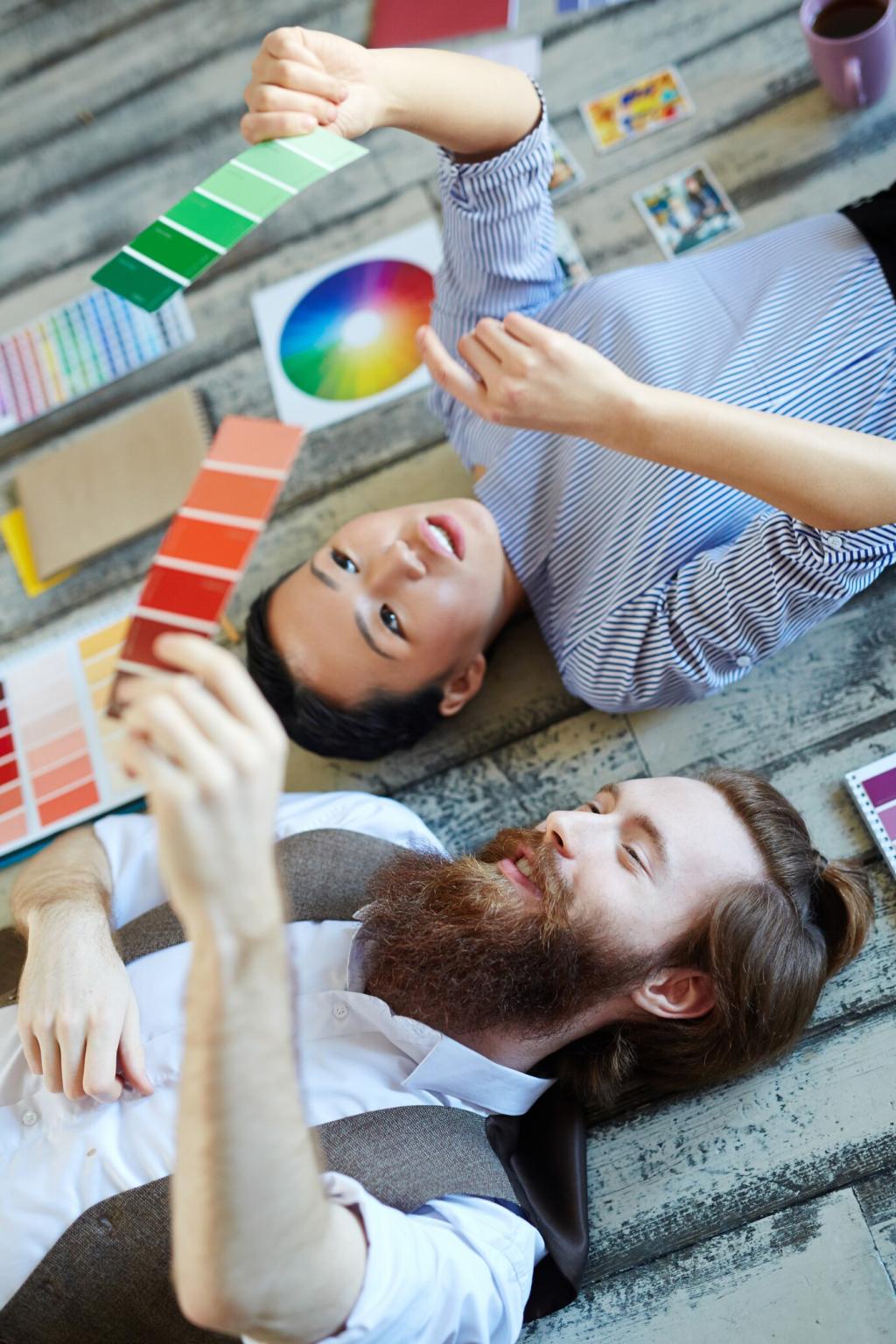
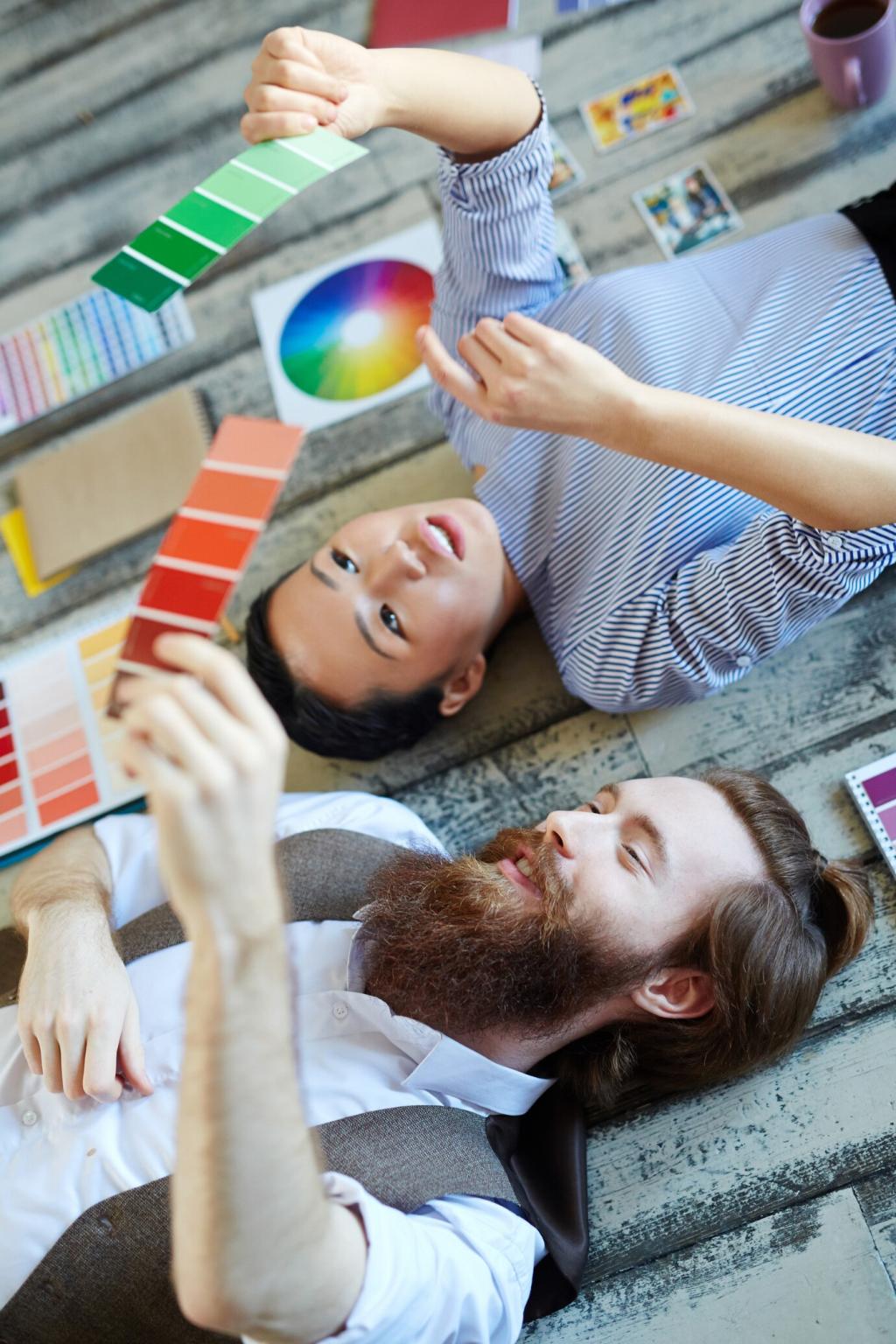
Collect fabric, tile, paint chips, and flooring offcuts. Label each with source, finish, and cleanability notes. Photograph swatches in natural light to verify color. Share your favorite vendor or local showroom that makes board-building faster.

Digital vs. Physical Mood Boards

Digital boards update instantly and travel easily via links. Use layers, annotations, and color pickers to refine direction quickly. Encourage clients to comment directly on images, keeping feedback centralized and traceable across project milestones.

Composition, Hierarchy, and Clarity

Open with a signature image that captures mood, then guide eyes to palette, materials, and references. Keep visual weight balanced. Ask yourself: where should a client pause, and what decision should they make at that moment?

Composition, Hierarchy, and Clarity

Use a simple grid and generous margins so each element breathes. Clutter dilutes confidence. Label sections consistently to speed comprehension. Share a snapshot of your favorite layout grid—three columns, golden ratio, or freeform collage?

Presenting and Iterating with Confidence

Open with the client’s goal, show the board’s backbone, and connect each element to function and feeling. Keep the story crisp. Invite readers to practice a two-minute pitch and share their opener in the thread.
Vargaandrea
Privacy Overview

This website uses cookies so that we can provide you with the best user experience possible. Cookie information is stored in your browser and performs functions such as recognising you when you return to our website and helping our team to understand which sections of the website you find most interesting and useful.